
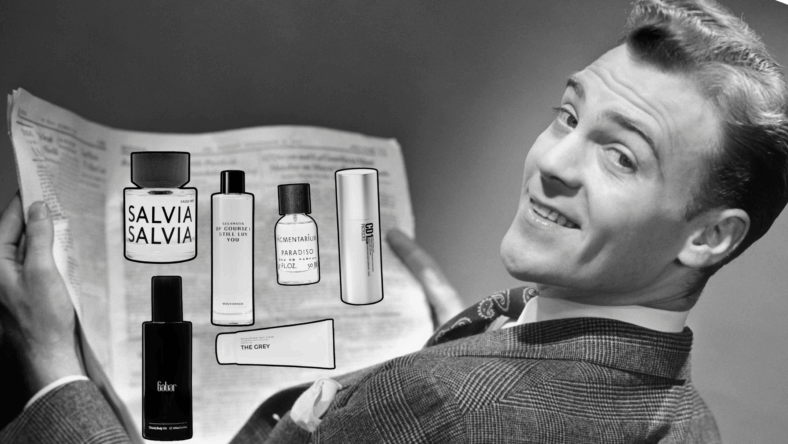
How publicists work between brands and editors (as well as influencers) to position both clients and customers for success.
There’s an invisible arm of the beauty and grooming industry. Its work occurs before a product hits your feed, before it lands on a shelf, and long before it becomes your favorite influencer’s next recommendation. It’s the layer where ideas are shaped, stories are refined, and brands learn how to speak clearly about who they are.
That layer is PR, or public relations. And as I like to call it, press relations.
Here is the general order of operations that help many products reach your feed:
- A brand creates a product and a point of view.
- A publicist helps shape how that story is told, in different ways to many different media.
- Editors decide whether it’s worth covering (we aren’t paid by those brands or PRs. Influencers, whether paid for or earned organically, also land in/replace this step.)
- Readers and viewers decide whether it matters to them.
Within this ecosystem, publicists play a quiet but critical role: managing a rolodex of hundreds of names, and interpreting how to deliver a brand’s POV or a product’s benefits to each writer, creator, influencer, and such.
To understand how that actually works in practice, it helps to look at someone who operates inside that system every day. Charlie-James Taylor, founder of the PR/comms agency 1996, has built a reputation working with grooming, fragrance, beauty, and lifestyle brands that sit at the intersection of design, utility, and culture.

How Publicists Help Their Clients Reach a Target Audience
Despite the fact that I called PR “press relations” before, publicists don’t “get people press” in a transactional sense. They don’t decide what gets written, and they don’t control coverage. What they do is shape context and boost awareness to those individuals with public-facing platforms.
A publicist’s role is to understand a brand well enough to translate it for the outside world: what makes it different, who it’s for, and why it exists (or is relevant) now. That means helping founders articulate their story, identifying what parts of that story are relevant to different outlets, and ensuring editors have the information they need to decide whether something is worth covering. It’s less about promotion and more about interpretation.
“People think PR is about pushing,” Taylor says. “It’s really about understanding what a brand is trying to say, and then figuring out who that message is actually for.” Sometimes the hardest part of that job is accepting that a message that resonates with one magazine might fall flat with another.
And before you ask “why can’t a brand just do this themselves?”… Well, I assure you, it’s a lot harder than it seems, especially to manage all of the hundreds of relationships that a PR agency needs to navigate.
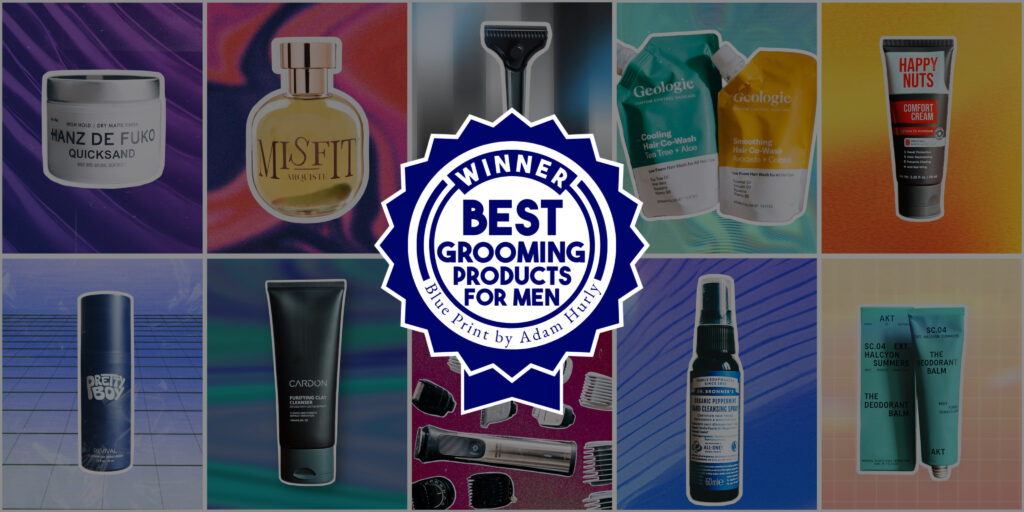
RELATED: The Best Men’s Grooming Products, Ever
Beyond that, one of the hardest things to do is to promote one’s own passion project or nest egg; you’re either going to say the most outlandish things about something extremely ordinary, or you won’t know how to position and market the remarkable thing you have created. A publicist can cut through that, and be a lot less precious about it—thus leaving it up to editors like me to determine where it fits into the bigger, audience-facing narrative. (If at all… for every yes, I probably give 25 no’s.)
So obviously, for someone like Taylor, it means knowing when not to pitch. “You can’t just throw everything at the wall,” he says. “You have to know when something isn’t ready, or when it doesn’t make sense for a particular outlet.” He also has to manage expectations from the people who pay him: “Sometimes the job is saying, ‘This isn’t the moment,’ to a founder,” Taylor says. “And that’s not always easy for them to hear.”
It also means understanding editors as individuals, not just platforms. “You can’t treat media like a list,” he says. “You have to understand what someone actually covers, what they care about, and what kind of story they’re interested in telling.”

The Difference Between Editors and Influencers—And Understanding Editorial POV
Part of the confusion around publicists comes from how blurred the media landscape has become. Editors and influencers both operate in the same ecosystem, but their roles are different.
- Editors are responsible for judgment. They decide what’s worth attention and what serves their audience.
- Influencers are communicators and megaphones. They share personal experiences and shape taste through proximity and personality.
- Creators are a blending of these ideas, since many lines are being blurred in this space. Many editors take influencing pipelines, many influencers craft their own unpaid editorial lists or recs. (That might be how they became influential in the first place.) If you’re ever unsure of how someone is classified, “Creator” is probably the best term at this moment.
A good publicist doesn’t tell an editor what to write or an influencer what to say. They provide access, context, and clarity, and then step back. (Though, many paid influencers do have to follow some kind of talking points or scripts. That might be part of the contract. Never in pure editorial; when something is paid for in editorial, it is called “advertorial”.)
In reality, editors remain the final gatekeepers, though, and increasingly selective ones.
“Editors decide what runs,” Taylor says. “We don’t control that. We never have. When something lands well, it’s not because we pushed it, but because it actually made sense for that outlet.”
As a reader or viewer, this is why it is important to understand an outlet’s POV: GQ and Esquire want you to dress well and look dapper—and sometimes that means choosing something with credibility or pragmatism, but not always. Men’s Health wants you to have a healthy regimen in all aspects of life, including grooming—even if it’s a more pragmatic approach. Wirecutter wants to look at data and performance metrics and make informed decisions about how you spend your money. Highsnobiety is much more hype. Robb Report is positioned around luxury, so you’re likelier to find top-shelf recs there, but if a low-cost item performs just as well, it merits conversation.

At my own outlet, Blue Print, it’s about positioning grooming on its own pedestal, and not as a secondary notion to fitness, style, status, etc. The POV is grooming, the same way Allure magazine covers all things beauty.
But on the women’s/beauty side of things, these POVs are tenfold. Sure, Allure focuses on beauty as science, and Byrdie as smart utility. Meanwhile, Glamour positions it under confidence and culture. Vogue frames beauty as fashion and symbolism, while Seventeen treats it as entry-level expression. Publicists navigate these lended, matching products to the right editorial context.
How Publicists Build Their Rosters
I like to think of PR agencies having a POV, too. Some agencies are so big that they can take on the most high-level clients, 20 of them within the beauty division, in fact. Their muscle and roster is the POV all its own. My favorite agencies are the small, bespoke ones, where it feels like the relationship is with the founder of the agency. I can always see a POV taking shape from these people based on the “company they keep”, or more directly, the “companies they promote”.
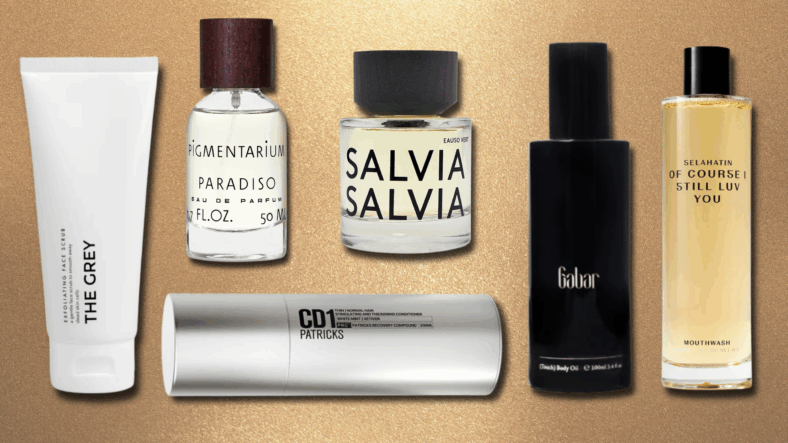
In the case of 1996, the agency run by Taylor and his partner (in life and work) Shannon Travis, there is a high taste level with an edge on design or performance. Their clients tend to fit really well in print editorials. I mean, just look at the roster below, and tell me it doesn’t read as “beautifully curated” (I’ll throw in a PR line from Taylor on each one too, just so you get a sense of why he has built a partnership with these labels):
- Patricks: Built around performance and precision, Patrick’s treats men’s grooming with the seriousness of skincare. Taylor was drawn to its clarity and intention. “It didn’t feel like a typical men’s brand,” he says. “It felt considered—like every decision had a reason behind it. They treat men’s grooming with the same seriousness that women’s beauty had already been given.”
- Eauso Vert: The intercontinental scentmaker positions itself at the intersection of fragrance and everyday ritual. EV’s founders favor understated compositions over statement-making excess. “There’s a calmness to it,” Taylor says. “It doesn’t try to shout. It just makes sense. And they work with the best perfumers in the world.”
- Selahatin: The fragrance-ification of oral care. Taylor points to the Swedish Selahatin as an example of a brand that immediately stood out for doing something different. “It wasn’t just another toothpaste, wasn’t another functional product. Someone really thought this through, as something people would be proud to use and display in their bathrooms.”
- Gabar: Rooted in Burmese heritage, Gabar approaches fragrance through culture rather than convention. Its scents draw from personal and regional memory. “What drew me in was that it didn’t feel Eurocentric at all, unlike most fragrance brands,” Taylor says. “It had its own language, its own references. It isn’t trying to copy anything.”
- The Grey: The Grey approaches skincare, haircare (and grooming as a whole) with restraint and clarity, focusing on essential formulas and a quiet, Dutch-like, design-led sensibility. “It’s very clean, very considered,” Taylor says. “There’s nothing unnecessary about it. You can tell it’s been edited properly, and that restraint is what makes it strong.”
- Pigmentarium: Known for its conceptual approach to fragrance, Czech-born Pigmentarium operates more like a studio than a traditional perfume house, grounding each release in a specific idea or cultural reference. “Prague is so culturally and historically rich, and you can feel that resonate in the brand’s DNA. It’s so different than what you find in overly indexed places like Italy or France.”
Check out Blue Print’s article on Pigmentarium.
All of this to say: Many publicists tends to have rosters that speak for themselves. I know many publicist and agencies whose clients all feel “utilitarian forward”, while others will focus almost exclusively on skin, hair, fragrance, makeup, or longevity.
Can You Trust Recommendations Anymore?
In today’s age of marketing and influence… can you even bother trusting anyone anymore? The short answer is yes, but only if you understand how to read them. Every recommendation you encounter exists within a system of perspective. Editors, writers, and creators all operate from a point of view, shaped by taste, experience, and values. That doesn’t make their work less credible. Rather, it’s contextual. The key is learning to recognize that context. Once you do, you start to see coverage not as persuasion, but as interpretation. A well-considered recommendation reflects a point of view, and knowing whose point of view you’re reading is part of being an informed consumer.
In that sense, everyone participates in the same ecosystem. Editors curate stories the way stylists curate wardrobes. Publicists curate brands. And readers or viewers, whether they realize it or not, curate their own lives through the products, ideas, and voices they choose to trust. Does your POV align with Men’s Health more than Robb Report or GQ? It could be a hybrid of them all.
The more aware you are of that process, the better equipped you are to navigate it. Understanding how and why something reaches you doesn’t make it less valuable; it makes you a more active participant. Your discernment isn’t skepticism. Think of it as editing, and media literacy. So, know your POV just as a brand, publicist, and editor know theirs. The ecosystem is only as strong as the trust we earn, from the audiences whose POVs pair well with our own.
The Newsletter: Subscribe to Blue Print by Adam Hurly
The best grooming gadgets, new products, gift guides, and game-changing advice—all inside our free newsletter. (Plus occasional big-ticket giveaways, too!)
You may unsubscribe at any time. By signing up, you agree to the Terms and Conditions, Use Policy, as well as our Privacy and Cookie Policies. You also acknowledge our site Disclaimer.