

Razor burn and shave bumps are both caused by subpar shaving conditions, but they aren’t so similar in terms of treatment.
Shaving bumps and razor burn are both common side effects of a subpar shave regimen. The prevention for these two things is one in the same: Either replace your razor blades more frequently, slow down your shave regimen (and maybe add an extra step or two, if you’re missing things like pre-shave oil and aftershave), or improve your razor hygiene (namely how you clean and store the razor between uses). As for treatments for both issues, that’s where they differ: Read on to learn how to get rid of shave bumps and razor burn.
Jump to: Causes of Razor Burn | How to Get Rid of Razor Burn | Razor Bump Prevention and Treatment | How to Get Rid of Razor Bumps
The Best Products for Razor Burn and Bumps
These are some of the razor burn products and razor bump solutions that appear throughout the article.
- The Best Aftershave for Razor Burn: Bevel After Shave Balm
- The Best Razor for Sensitive Skin: Supply The Single Edge SE Safety Razor
- The Best Alum Block for Razor Burn: Proraso Post-Shave Stone Alum Block
- The Best Moisturizer for Irritated Skin: Neutrogena Hydro Boost Hyaluronic Acid Hydrating Water Gel
- The Best Aftershave for Razor Bumps: Jack Black Bump Fix
- The Best Electric Razor for Bump-Prone Skin: Philips Norelco S9000 Prestige
- The Best Face Wash for Bump-Prone Skin: Dr. Dennis Gross Alpha Beta AHA/BHA Daily Cleansing Gel
- The Best Face Scrub for Bump-Prone Skin: Scotch Porter Exfoliating Face Scrub
- The Best Toner for Bump-Prone Skin: Dr. Jart+ Teatreement™ Toner
Please use our links (those above as well as any links featured throughout the article); doing so supports the work we put into making Blue Print by Adam Hurly.
Razor Burn Prevention and Treatment
I assume you know as much, but razor burn is when the skin becomes reddened, inflamed, and irritated due to a cruddy shave. Usually, it happens immediately after shaving, too. There’s some microscopic damage happening on the surface of the skin (like micro-tearing and moisture depletion). In addition to its unsightly nature and pain, razor burn compromises the skin’s moisture barrier, meaning you’ve got to prioritize moisture in the healing process.
Causes of Razor Burn
Razor burn usually results from any of the following:
1. A dull razor blade: Replace them after 2-3 weeks or 6-8 uses, to ensure sharpness.
2. Too much razor drag: This likely results from not rinsing the blade enough between strokes, or you haven’t “lubed” up your face with adequate pre-shave oil or shave cream.
3. Inadequate preparation: Like if you dive right into the shave without washing and warming it up; maybe that pre-shave oil is necessary too.
4. Inadequate decompression: A nice cold water splash and skin-centering aftershave will calm things down. (Like Bevel’s anti-inflammatory balm with tea tree oil.)
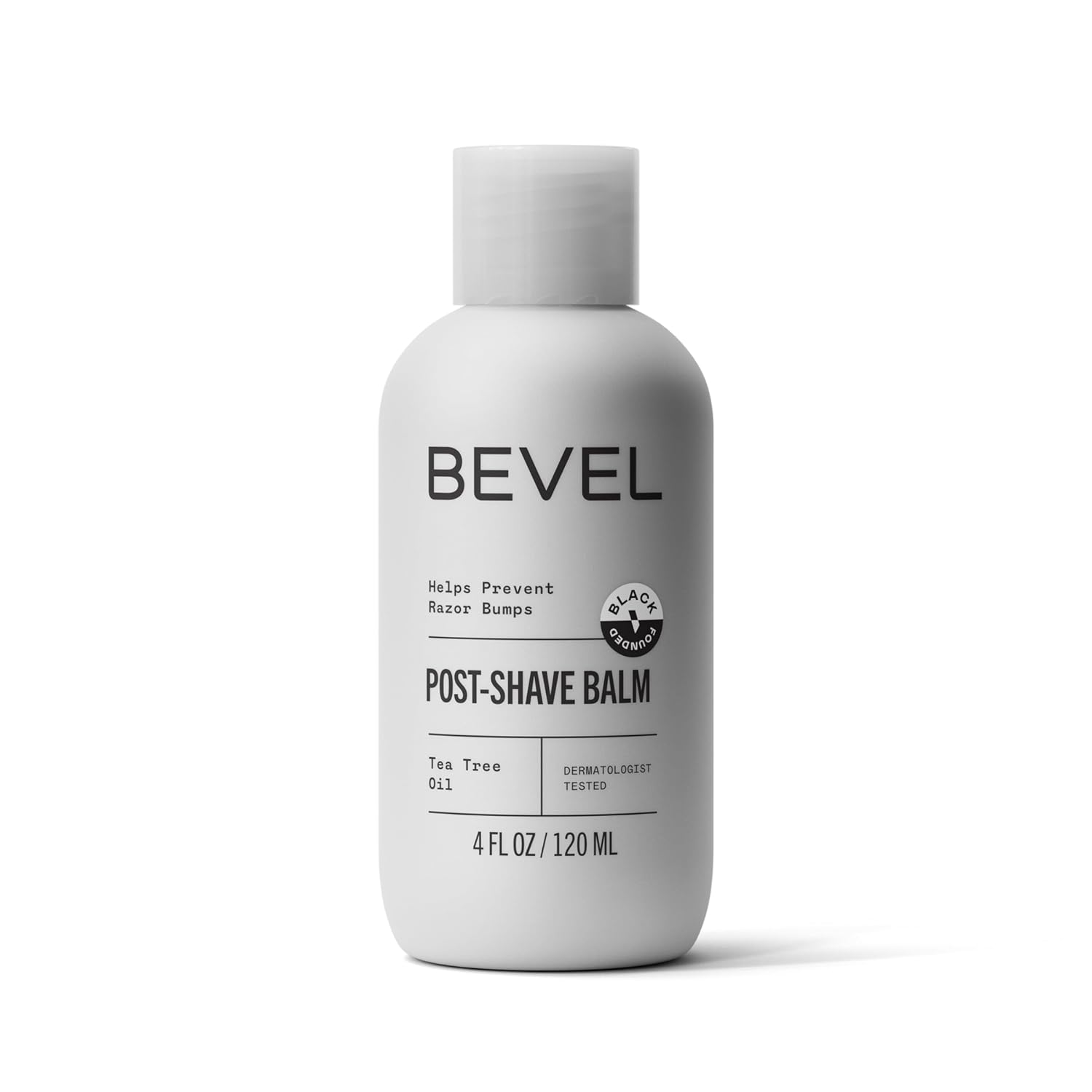
Bevel After Shave Balm
buy on:
Bevel
AMAZON
Target
5. A hurried and hasty shave: Go slow. Don’t be zig-zagging all around the skin, either. Those sharp turns might be literally sharp, risking shave cuts.
6. Having sensitive skin: Life’s not fair. But at least there are other razors to consider, like safety razors or sensitivity-minded cartridge blades. (One favorite of mine, Supply, takes the guesswork and learning curve out of safety razors for newbies.)
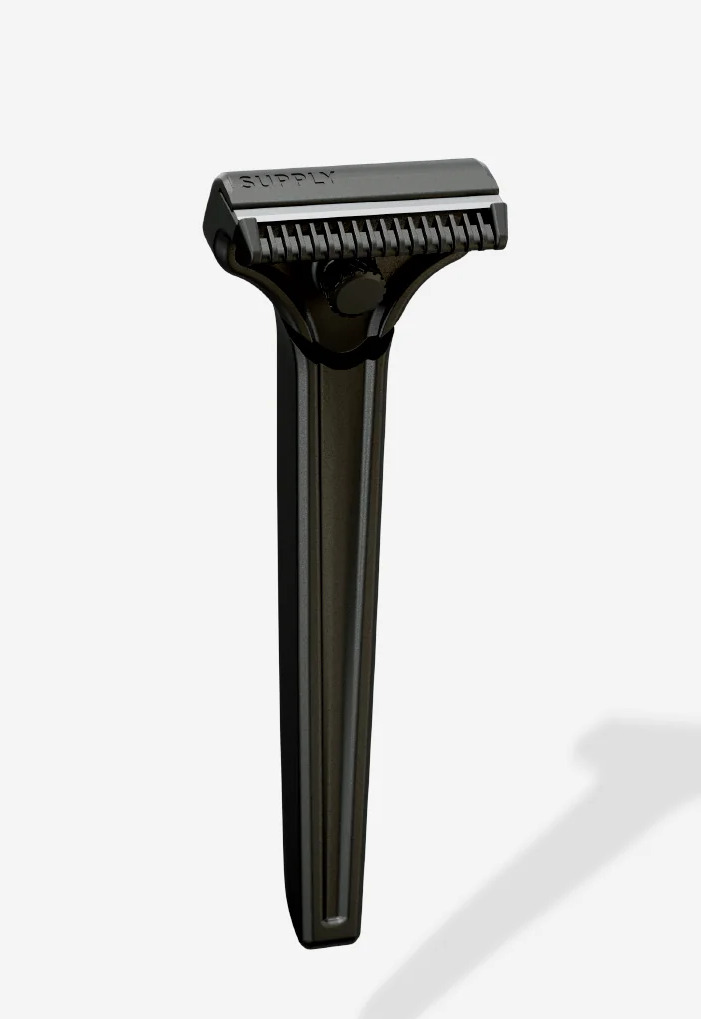
Supply The Single Edge SE Safety Razor
buy on:
Supply
The Newsletter: Subscribe to Blue Print by Adam Hurly
The best grooming gadgets, new products, gift guides, and game-changing advice—all inside our free newsletter. (Plus occasional big-ticket giveaways, too!)
You may unsubscribe at any time. By signing up, you agree to the Terms and Conditions, Use Policy, as well as our Privacy and Cookie Policies. You also acknowledge our site Disclaimer.
How to Get Rid of Razor Burn
Less is usually more when treating razor burn. Try the following.
1. Chill out: Do a cool compress on the skin as soon after the problem appears. Then apply soothing anti-inflammatory ingredients like aloe vera, tea tree oil, colloidal oatmeal, or witch hazel. In addition to the terrific pick from Bevel above, I also love Lab Series’ Razor Burn Balm (which I lauded as the best overall post-shave balm for GQ.)
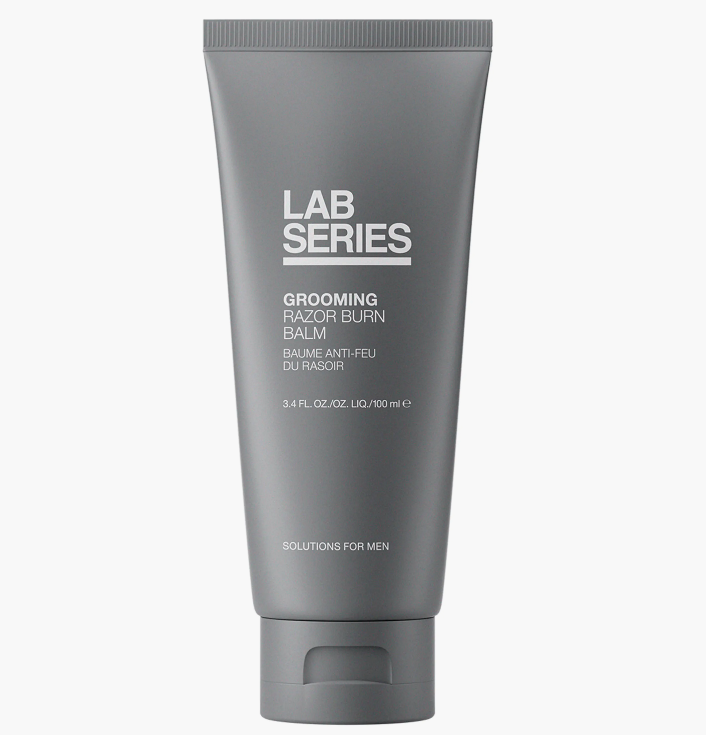
Lab Series Razor Burn Balm
buy on:
Lab Series
Nordstrom
2. Use alum block: It’s also useful to have a brick of alum block at the ready, like Proraso’s. It’s useful against shave cuts too, in that it can constrict blood vessels and sterilize the area, but with razor burn, it’s good for a very quick soothe across a large patch of skin, over and over and over—just be sure to wet it before you use it.
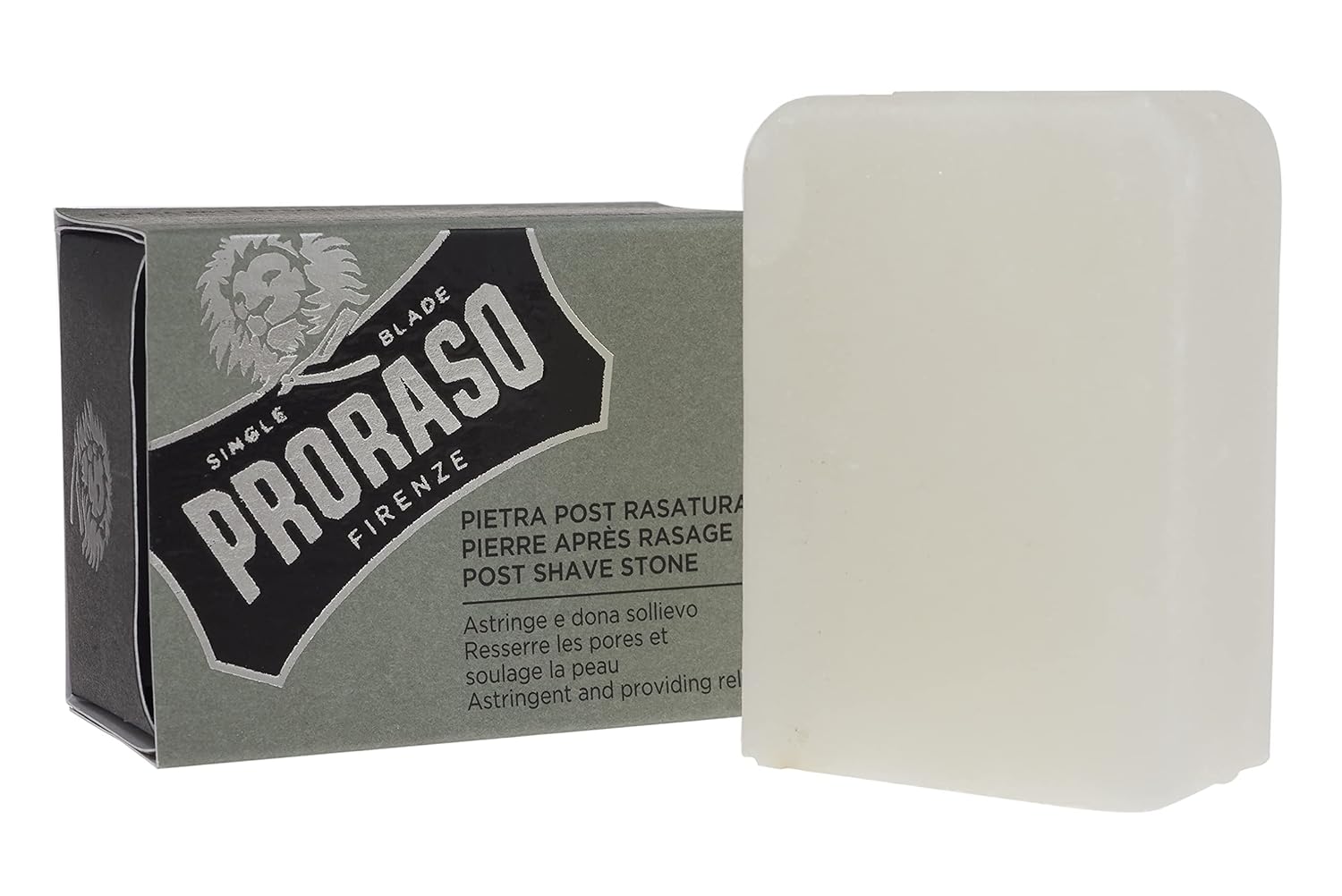
Proraso Post-Shave Stone Alum Block
buy on:
Proraso
AMAZON
3. Kill the pain: Topical cortisone creams can often relieve the pain, too, and NSAIDs (that is, non-steroidal anti-inflammatory painkillers like ibuprofen or aspirin) can take the edge off.
4. Take it easy: Avoid anything abrasive for a couple days, as well as sun exposure.
5. Hydrate, hydrate, hydrate: Prioritize moisturizers that have humectant, emollient, and occlusive properties—meaning they attract moisture, add moisture, and trap moisture, respectively (and all at once). Neutrogena’s gel-based water cream will never leave you astray.
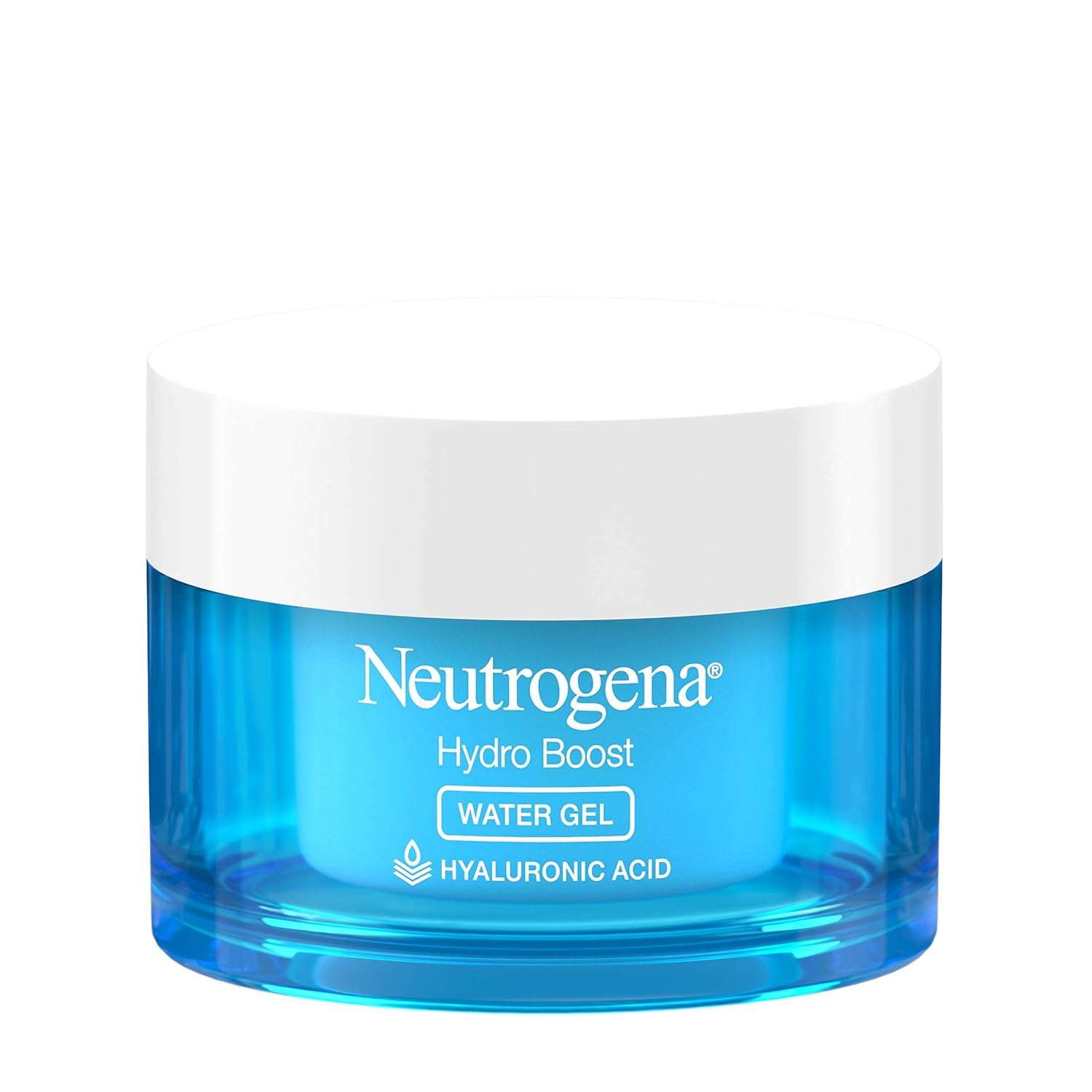
Neutrogena Hydro Boost Hyaluronic Acid Hydrating Water Gel
buy on:
walmart
AMAZON
Neutrogena
Razor Bump Prevention and Treatment
Razor bumps are the result of a poor shave, too, and are the earliest stage of ingrown hairs. They typically develop within a couple days of shaving. They can last a few days or develop into more severe and painful (and infected) ingrown hairs. Razor bumps can happen in large outbreaks, or in singular spots.
Causes of Razor Bumps
When razor bumps occur, it’s because the hairs were either cut too short or in the wrong direction. So, keep tabs on the following…
1. Go with the grain: In terms of shaving rules, it’s smarter to shave with the grain of your hair’s growth, so that the hair is cut at an angle that is encouraged to grow out from the skin rather than curl up inside of the pore.
2. Keep things sharp: A dull blade can also be blamed, since you need a confident blade to slice through hairs without any dragging or blunting.
3. Go slow and steady: I encourage you to go through each step of the shave regimen steadily, from hot water splash to pre-shave oil, all the way to that post-shave cold water splash and aftershave balm.
4. Deploy better razor hygiene: Bacteria can transfer from blade to susceptible skin, and get inside the pores to irritate the follicles. So be sure to thoroughly rinse and dry out your razor after use (in a cool, dry place, upright). Between shaves, don’t store it in a dirty dopp kit or on the germy sink ledge, either. Also, consider switching your blades more frequently (every 6-8 shaves or 2-3 weeks).
5. Consider safety razors: If you are prone to bumps, then safety razors might be your fix, as they are recommended for guys with coarse or curly facial hair.
6. Consider rotary shavers, too: Also, a rotary electric razor is a surefire way to avoid these bumps in the future—and razor burn too—plus it cuts coarse and curly hairs with ease. Philips Norelco is the runaway hero of rotary shavers. Consider these two picks from them; the Prestige S9000 option is top tier right now, with 6 different rotating blades, while the 7800 is a brilliant value, with its industry standard three rotary blades.
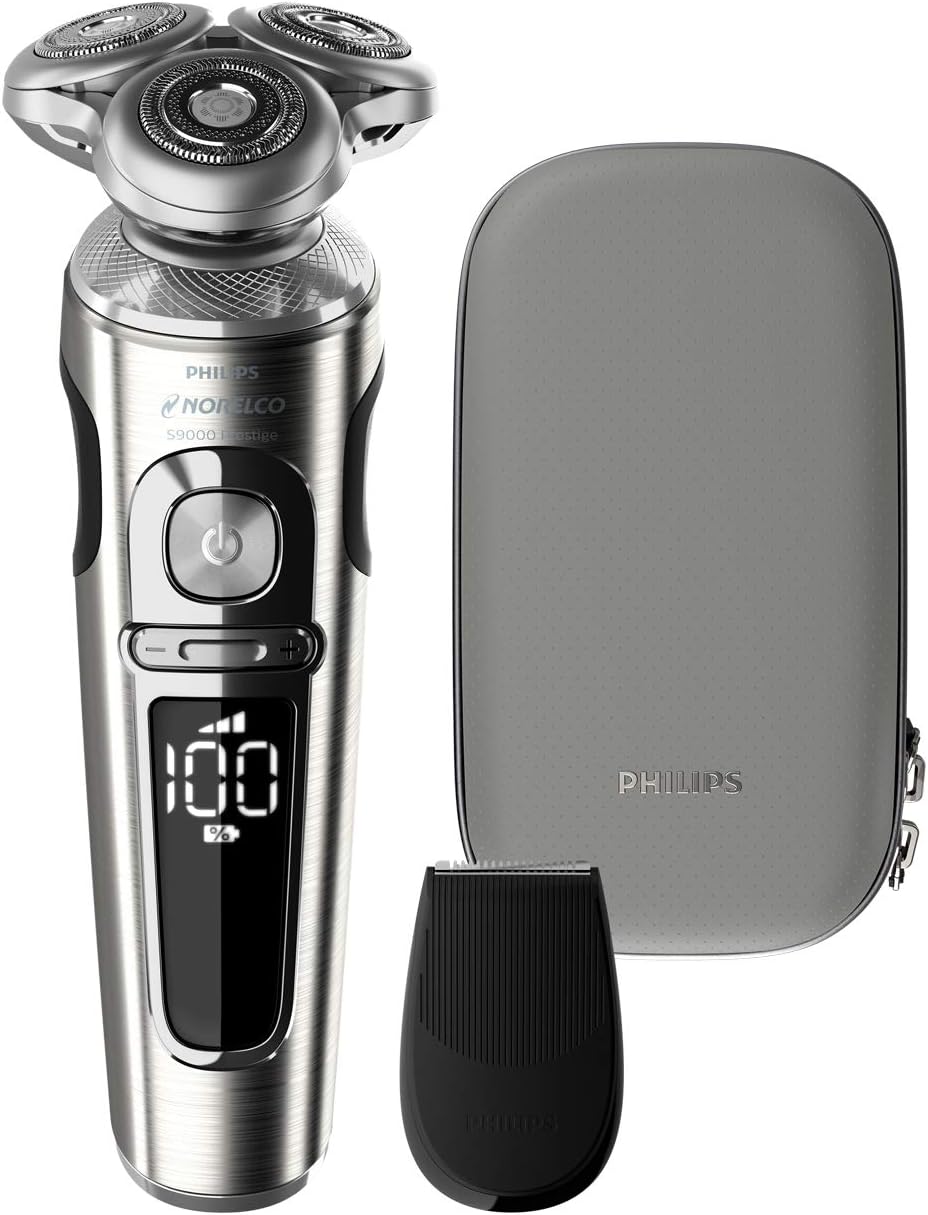
Philips Norelco S9000 Prestige Electric Rotary Shaver
buy on:
Philips
AMAZON
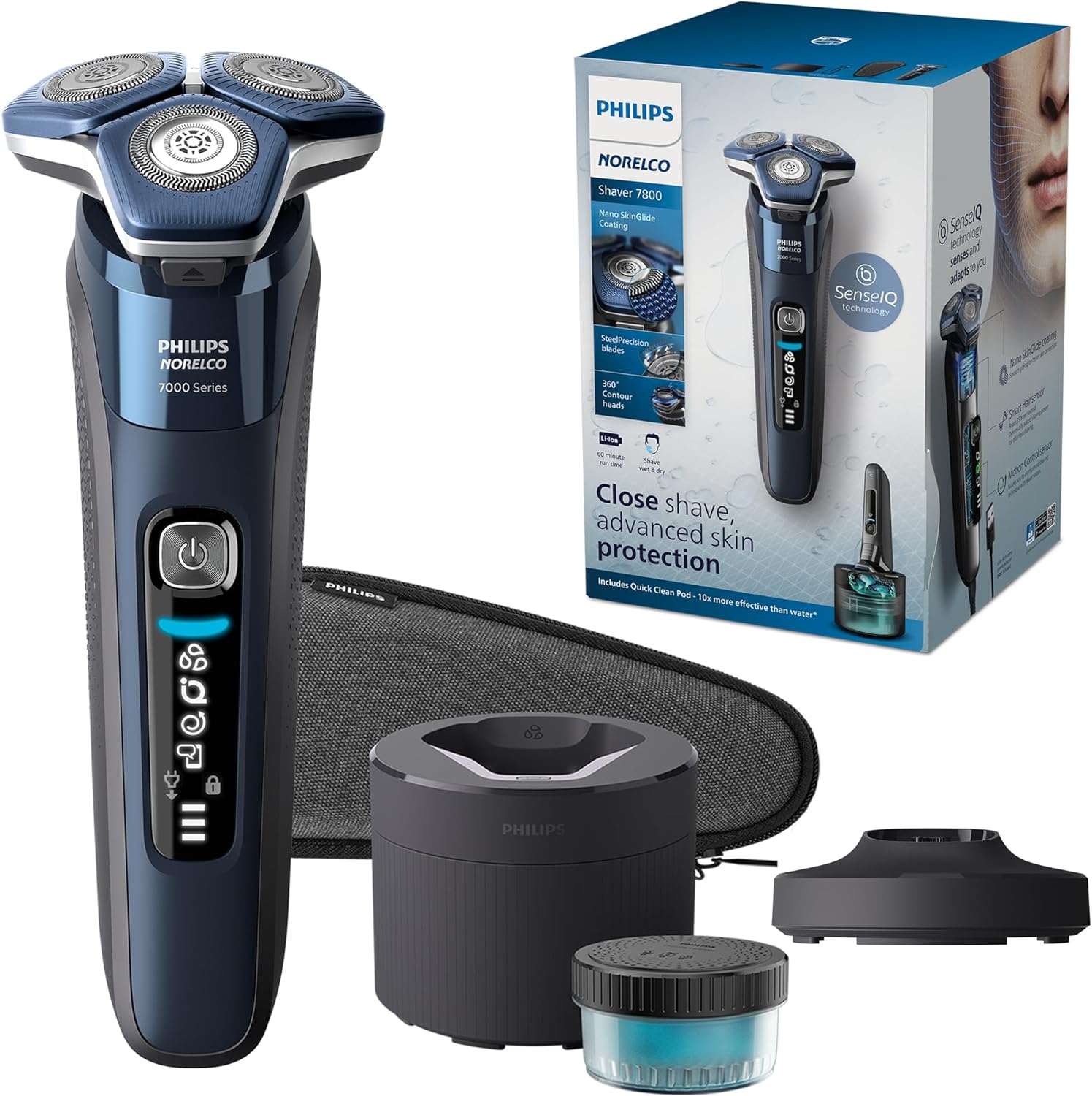
Philips Norelco 7800 Electric Rotary Shaver
buy on:
Philips
AMAZON
How to Get Rid of Shave Bumps
I’ve got a whole section on ingrown hairs, so go there if you’re dealing with a trapped hair that seems infected or is getting more inflamed and angry. (Or get yourself to a dermatologist straight away.)
As for the early-stage bumps, the aim is to prevent them from getting volcanic. Try the following.
1. Apply warm pressure: You want to apply a warm compress on the skin a few times a day to keep things soft and loose; this will help “coach” some of the hairs out as they continue to grow.
2. Prioritize exfoliating ingredients: Alpha hydroxy acids like glycolic acid or lactic acid can help prevent skin cells from getting trapped in there, too, and beta hydroxy acids like salicylic acid (perhaps the best choice of all) can also break down any oil trapped inside the pores. Jack Balck’s Bump Fix is an obvious pick for a lightweight toning splash across the entire neck or face; Dr. Dennis Gross’ cleanser combines alpha hydroxy acids and beta hydroxy acid for an all-over reckoning for dead cells and clogged pores.
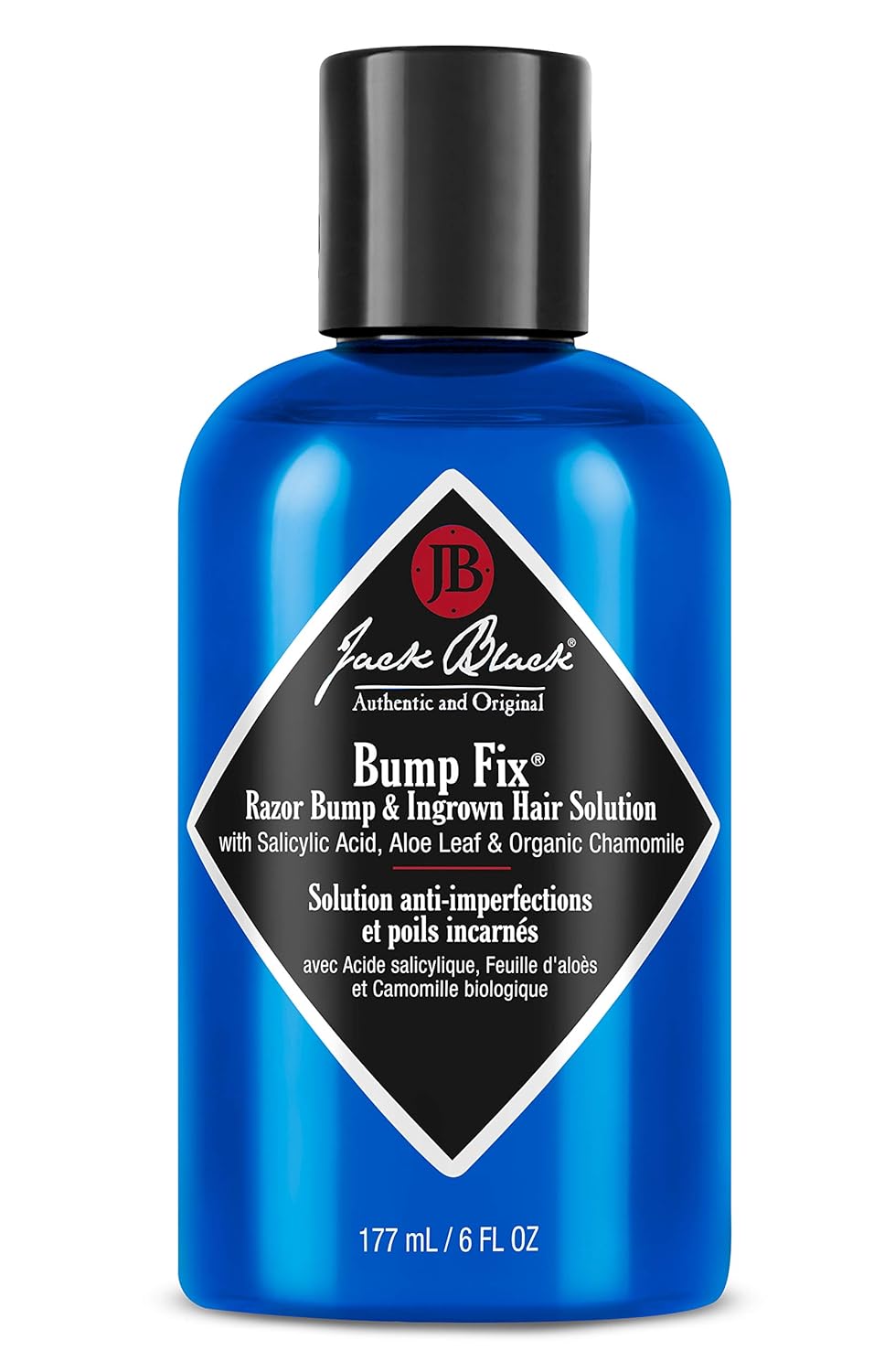
Jack Black Bump Fix
buy on:
Jack Black
SEPHORA
AMAZON
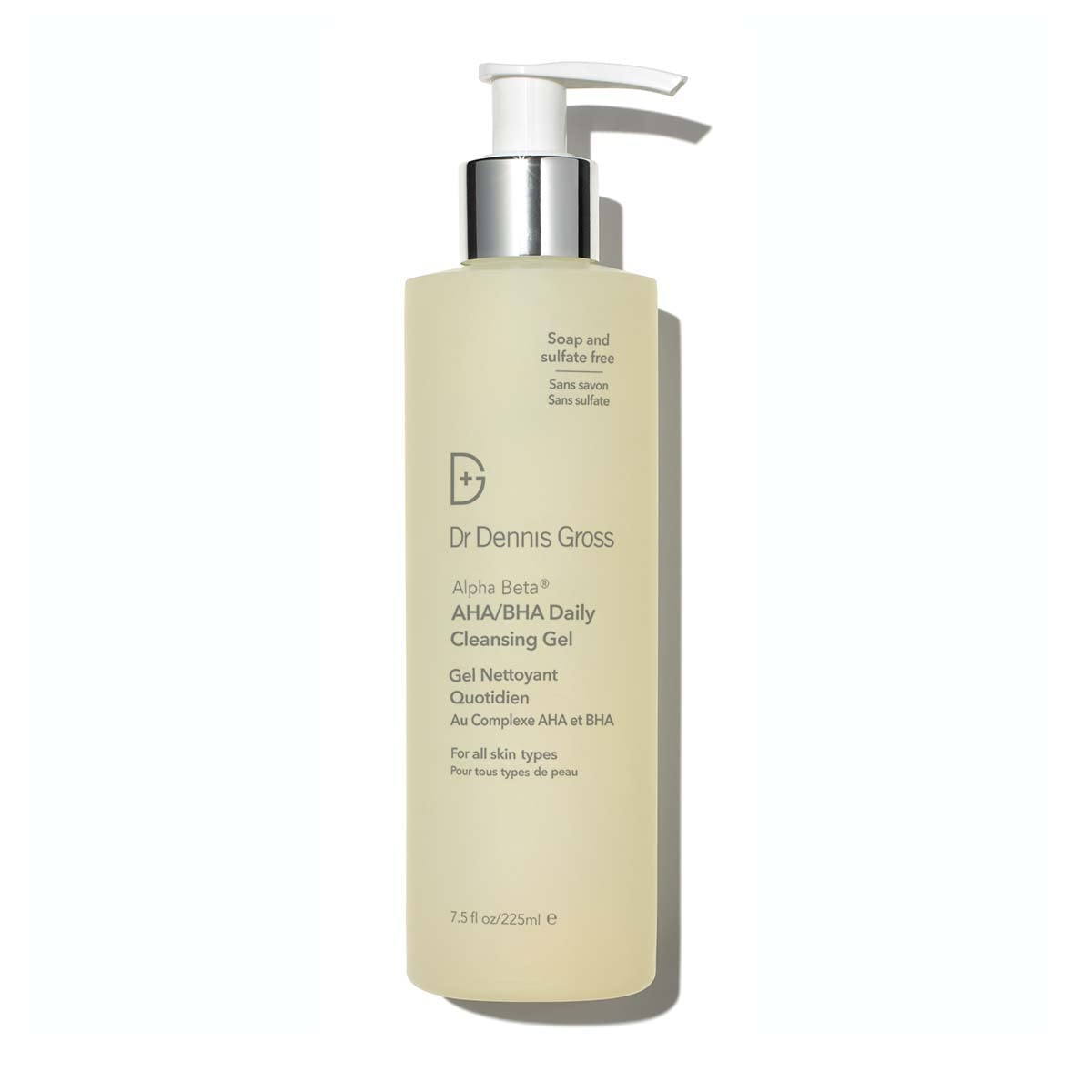
Dr. Dennis Gross Alpha Beta AHA/BHA Daily Cleansing Gel
buy on:
SEPHORA
AMAZON
Dr. Dennis Gross
3. Consider a scrub: You might also use a gentle physical scrub to try and coach those hairs out of their chamber. As is always the case, be careful with any exfoliating ingredients, as your skin is irritated and you don’t want to create new problems by using too much product, too frequent applications, or too much pressure.
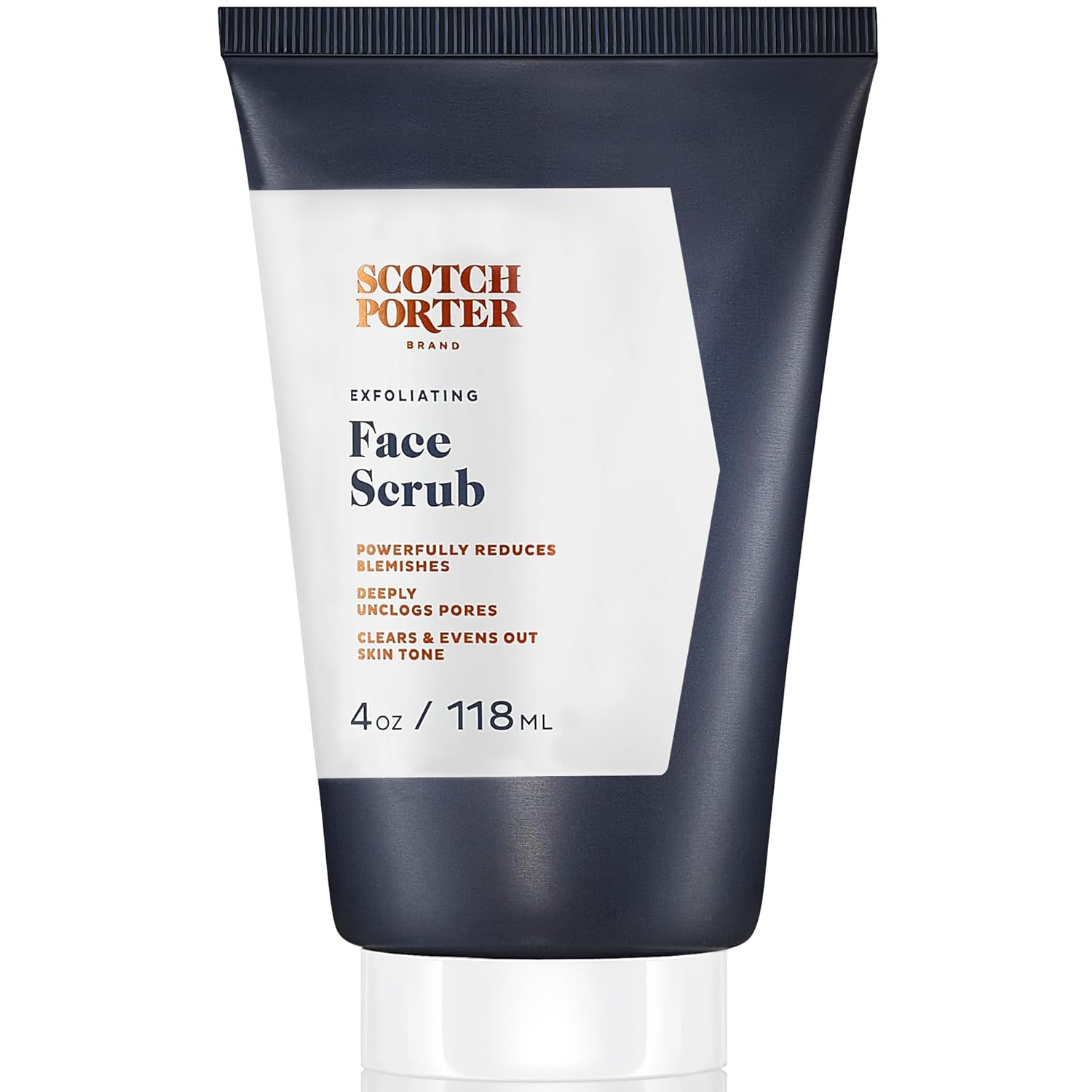
Scotch Porter Exfoliating Face Scrub
buy on:
Scotch Porter
Amazon
4. Try anti-inflammatory ingredients: If you are experiencing any inflammation, then tea tree oil can help reduce that while also countering any bacteria; it can even help temper oil levels. Aloe vera will work wonderfully to soothe skin, too. Dr. Jart’s entire “Teatreetment” assortment would be a favorite for you—this toner is the easiest to fit into a pre-existing routine, though.
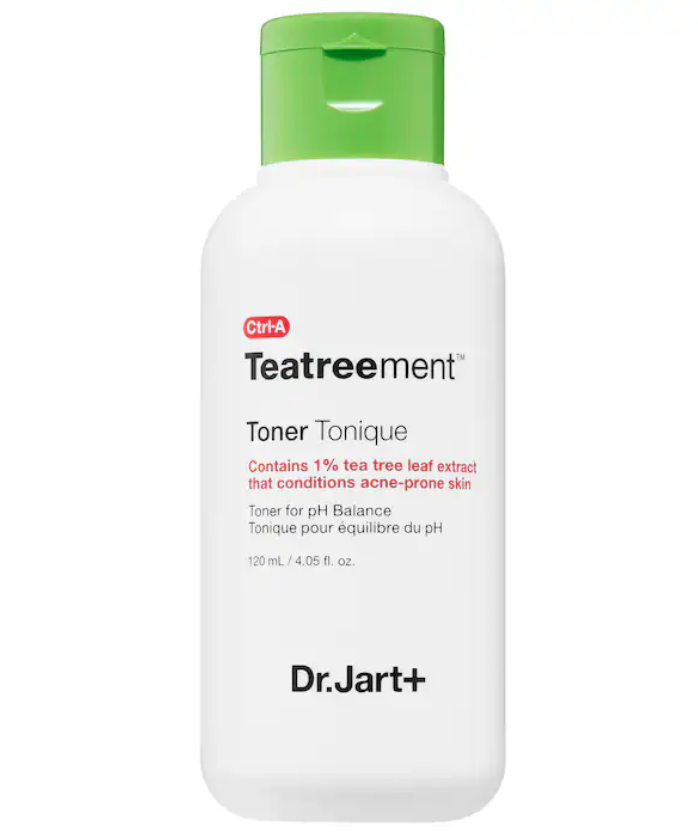
Dr. Jart+ Teatreement™ Toner
buy on:
Dr. Jart+
SEPHORA